
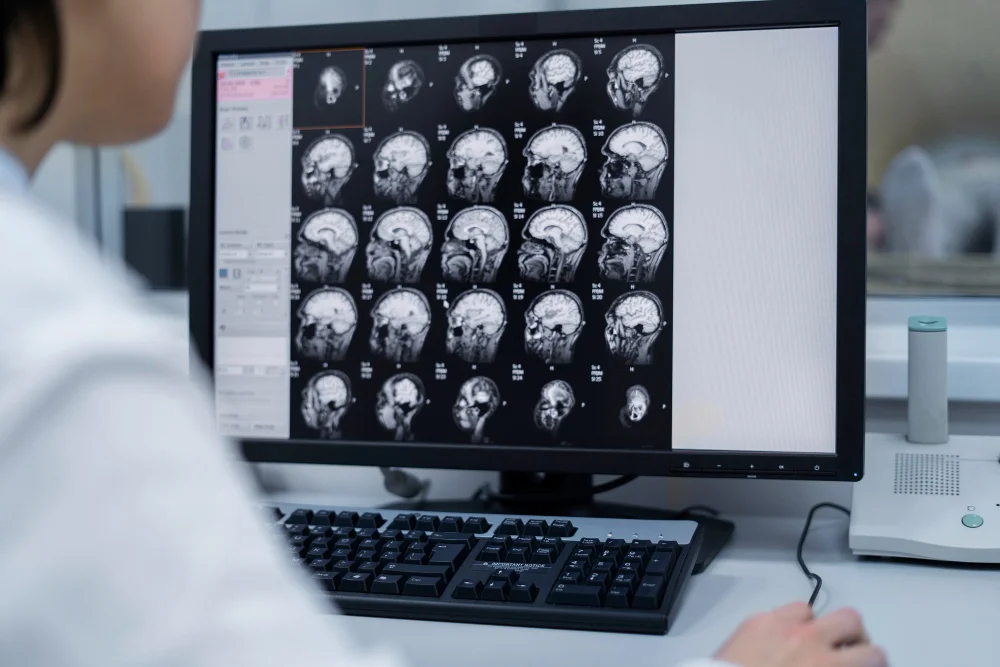
Traumatic brain injury claims often involve complex medical documentation, multiple specialists, and evolving neurological symptoms. Without clear coordination, treatment updates, medical records, and expert evaluations can quickly become fragmented across the life of a case.
Social Surge helps Texas personal injury law firms maintain visibility into the medical side of complex TBI cases through structured medical record review, treatment oversight, and expert witness coordination, helping ensure that critical medical evidence remains organized and aligned with the legal strategy of the case.
Why Traumatic Brain Injury Cases Are Different
Traumatic brain injury cases are often among the most medically complex and legally challenging personal injury claims. Unlike many other injury cases, the symptoms and long-term effects of a brain injury may not always be immediately visible or fully understood at the early stages of treatment.
TBI cases frequently involve multiple medical specialties, including neurology, neuropsychology, rehabilitation medicine, and cognitive therapy. As a result, the medical documentation surrounding these cases can become extensive and fragmented across different providers, treatment timelines, and diagnostic evaluations.
In addition, traumatic brain injuries can lead to long-term cognitive impairment, behavioral changes, memory loss, and neurological complications that require careful medical evaluation and documentation. Establishing the full impact of the injury often requires coordinated medical records, consistent treatment monitoring, and, in many cases, expert medical opinions.
For personal injury attorneys handling complex TBI claims, maintaining a clear view of the medical evidence is critical. Disorganized records, treatment gaps, or delayed medical updates can make it more difficult to evaluate damages, prepare expert opinions, or present a clear narrative of the injury.
With proper medical-legal coordination, law firms can maintain better visibility into treatment progress, documentation consistency, and expert evaluations, helping ensure that the medical aspects of the case support the overall legal strategy.
Why TBI Cases Often Break Down Without Medical Coordination
Traumatic brain injury cases rarely follow a simple medical path. Clients may receive treatment from emergency physicians, neurologists, neuropsychologists, rehabilitation specialists, and cognitive therapists, often across multiple facilities and over extended periods of time. As a result, the medical information connected to a TBI claim can quickly become fragmented across providers, treatment timelines, and diagnostic evaluations.
Without clear coordination, medical records, imaging reports, and treatment updates may arrive at different times or from different sources. When documentation is incomplete or disorganized, it can become more difficult for personal injury attorneys to clearly demonstrate the nature of the brain injury, the progression of treatment, and the long-term neurological impact on the client.
Many traumatic brain injury cases also involve treatment provided under a Letter of Protection (LOP) or medical lien, particularly when ongoing neurological care, rehabilitation therapy, or cognitive treatment is required. In lien-based treatment situations, multiple providers may be involved throughout the recovery process, making consistent medical documentation and communication even more important for the development of the case.
When treatment timelines, provider documentation, and expert evaluations are not properly aligned, it can create unnecessary challenges during case evaluation, settlement negotiations, or litigation preparation. Maintaining a clear and organized medical narrative is essential in complex TBI claims.
Through structured medical-legal coordination, personal injury law firms can maintain better visibility into treatment progress, medical documentation, and expert evaluations, helping ensure that the medical aspects of the case remain organized and aligned with the overall legal strategy.
How We Supports TBI Cases
Traumatic brain injury cases often require careful coordination across multiple areas of medical documentation, treatment monitoring, and expert evaluation. Because these cases frequently involve complex neurological assessments and long-term treatment plans, maintaining clear medical visibility throughout the case can be essential.
Social Surge Marketing helps Texas personal injury law firms manage the medical side of complex TBI claims through structured coordination and specialized support services.
Medical Record Review
TBI cases often involve extensive medical documentation from emergency care, imaging studies, neurological evaluations, and rehabilitation treatment. Our medical record review service helps organize and analyze these records so attorneys have a clearer understanding of injury documentation, treatment progression, and key medical findings related to the case.
Treatment Oversight
Brain injury recovery can involve ongoing treatment from neurologists, therapists, and rehabilitation specialists. Through treatment oversight, we help law firms maintain visibility into treatment progress, provider updates, and evolving medical documentation as the case develops.
Expert Witness Coordination
In many traumatic brain injury cases, medical experts such as neurologists or neuropsychologists may be needed to evaluate the injury, provide professional opinions, or support litigation preparation. Our expert witness coordination service helps connect law firms with qualified experts while managing scheduling, communication, and documentation throughout the expert review process.
By supporting these key areas of medical coordination, Social Surge Marketing helps ensure that the medical aspects of complex TBI cases remain organized, visible, and aligned with the legal strategy of the case.
Key Medical-Legal Challenges in TBI Claims
Traumatic brain injury claims often present unique medical and legal challenges that can make case development more complex than many other personal injury cases. Because brain injuries may affect cognitive, neurological, and behavioral functions, documenting the full scope of the injury can require careful medical evaluation and consistent documentation over time.
One of the most common challenges in TBI litigation is that symptoms do not always appear immediately after the accident. Clients may initially appear stable, while cognitive or neurological complications develop gradually in the weeks or months following the injury. This delayed symptom progression can make early medical documentation particularly important.
Another challenge involves the number of medical specialists often involved in TBI treatment. Neurologists, neuropsychologists, rehabilitation specialists, imaging facilities, and cognitive therapists may all contribute to the diagnosis and treatment process. Without organized medical records and consistent treatment tracking, documentation from these providers can become fragmented across the life of the case.
TBI claims can also involve disputes regarding causation, severity of injury, and long-term impairment. Insurance carriers and defense experts may challenge the connection between the accident and the reported neurological symptoms. In these situations, well-organized medical documentation and qualified expert evaluations can play an important role in clarifying the medical aspects of the case.
For personal injury attorneys handling complex brain injury claims, maintaining a clear and structured medical narrative is essential. Proper coordination of medical records, treatment timelines, and expert opinions helps ensure that the medical evidence supports the overall strategy of the case.
Why Texas Personal Injury Attorneys Work With Us
Traumatic brain injury claims often involve complex medical documentation, multiple specialists, and evolving neurological symptoms. Managing the medical side of these cases can require significant coordination across providers, treatment timelines, and expert evaluations.
We helps Texas personal injury law firms navigate the medical complexity of TBI cases through structured medical-legal coordination and specialized support services.
Law firms working with Social Surge benefit from:
✅ Experience Supporting Complex Brain Injury Cases.
✅ Organized Medical Documentation.
✅ Coordination with Qualified Medical Experts.
✅ Support for LOP and Lien-Based Treatment Cases.
✅ Reduced Administrative Burden for Legal Teams.
Frequently Asked Questions
What types of medical specialists are typically involved in TBI cases?
Traumatic brain injury cases may involve several medical specialists depending on the severity of the injury. These can include neurologists, neuropsychologists, rehabilitation physicians, cognitive therapists, and imaging specialists. Coordinating documentation from multiple providers is often necessary to maintain a clear medical narrative throughout the case.
Do you work exclusively with Texas personal injury law firms?
Yes. We focuses specifically on supporting Texas personal injury law firms. Our services are designed to assist attorneys handling complex injury cases by helping coordinate medical documentation, treatment oversight, and expert witness support.
Do many traumatic brain injury cases involve treatment under a Letter of Protection (LOP)?
Yes. Many traumatic brain injury cases involve medical treatment provided under a Letter of Protection (LOP) or medical lien, particularly when long-term neurological care, rehabilitation therapy, or cognitive treatment is required. Coordinating documentation and communication across lien-based providers can become an important part of managing the medical aspects of the case.