
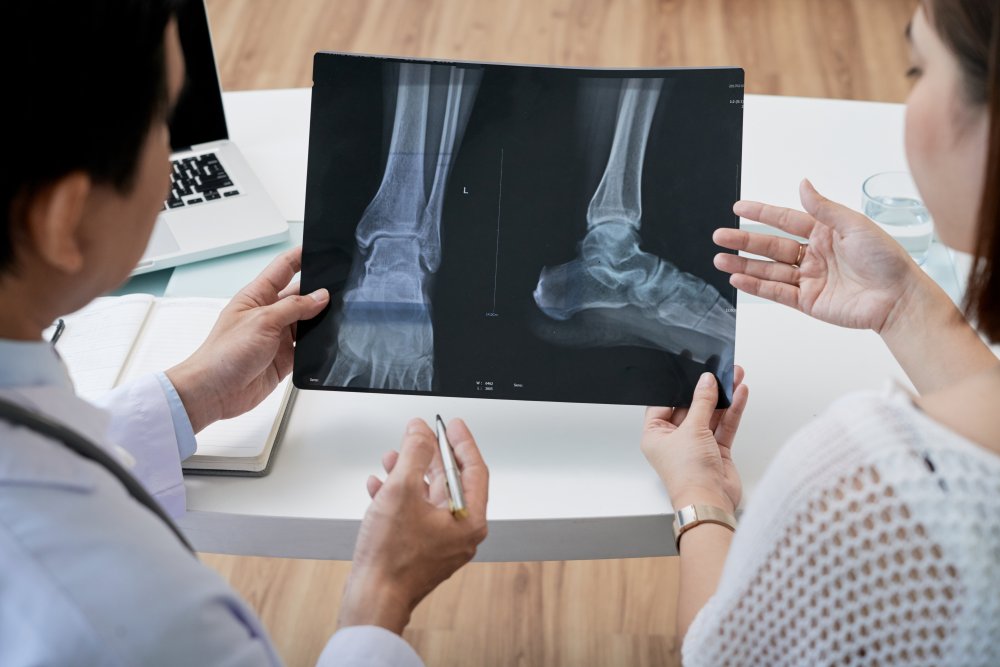
Orthopedic injuries are among the most common types of personal injury claims, but documenting the full impact of these injuries can often be more complex than they initially appear. Fractures, joint injuries, ligament damage, and post-surgical cases frequently involve multiple medical providers, imaging studies, rehabilitation treatment, and extended recovery timelines.
Without clear coordination, medical records, imaging reports, operative documentation, and rehabilitation notes can become fragmented across the life of a case.
We help Texas personal injury law firms manage the medical side of complex orthopedic injury claims through structured medical record review, treatment oversight, and expert witness coordination, helping ensure that critical medical documentation remains organized and aligned with the legal strategy of the case.
Why Orthopedic Injury Claims Often Become Complex
Orthopedic injury claims can appear straightforward at first, particularly in cases involving fractures, joint trauma, or ligament damage. However, the clinical side of these cases often becomes more complex as treatment progresses and additional evaluations are required.
Many musculoskeletal injuries require care from multiple providers, including orthopedic surgeons, imaging specialists, physical therapists, and pain management professionals. As treatment continues, documentation may accumulate across different providers, diagnostic reports, surgical records, and rehabilitation notes.
Recovery timelines for these injuries can also vary significantly depending on the severity of the condition. Some cases involve surgery followed by months of physical therapy and follow-up evaluations to assess long-term mobility and function.
Without proper coordination, important documentation such as X-rays, MRI reports, operative notes, and rehabilitation records can become fragmented across providers. When information is not organized effectively, it becomes more difficult for personal injury attorneys to clearly understand the injury, the course of treatment, and the long-term impact on the injured individual.
Maintaining organized clinical documentation and clear treatment timelines helps ensure that the health-related aspects of the claim remain visible and aligned with the legal strategy throughout the life of the case.
The Role of Medical Documentation in Orthopedic Injury Cases
Orthopedic injury claims often rely heavily on clear and detailed medical documentation to explain the nature of the injury, the treatment provided, and the patient’s recovery progress. Unlike some other types of injuries, musculoskeletal conditions frequently involve diagnostic imaging, surgical procedures, and extended rehabilitation that must be carefully documented over time.
Imaging studies such as X-rays, MRI scans, and CT imaging are often essential for identifying fractures, joint damage, ligament injuries, and other structural conditions. These reports provide important clinical evidence that helps establish the severity and location of the injury.
In many cases, treatment may include surgical procedures, specialist consultations, and physical therapy or rehabilitation programs. Operative reports, physician evaluations, and therapy notes all play an important role in documenting how the patient’s condition evolves throughout the recovery process.
When records from multiple providers are not clearly organized, it becomes more difficult for attorneys to understand the full treatment timeline or identify key clinical findings related to the injury. Well-structured documentation helps ensure that imaging results, surgical reports, and rehabilitation records remain accessible and aligned with the overall development of the case.
Maintaining clear and structured injury documentation allows personal injury attorneys to better evaluate the condition, track recovery progress, and prepare the case with a more complete understanding of the clinical evidence involved.
How Social Surge Supports Orthopedic Injury Cases
For Texas PI attorneys, keeping track of medical records, treatment updates, and provider documentation can become challenging as a case develops. Social Surge helps law firms maintain clarity on the clinical side of musculoskeletal injury cases through structured coordination and specialized support services.
Medical Record Review
Injury cases involving fractures, joint trauma, or ligament damage often generate a large volume of documentation, including X-ray and MRI reports, surgical records, physician evaluations, and therapy notes. Our medical record review service helps organize these materials so attorneys can clearly understand treatment progression, clinical findings, and the overall development of the case.
Treatment Oversight
Recovery from musculoskeletal injuries frequently involves ongoing care, rehabilitation programs, and follow-up visits with specialists. Through structured treatment oversight, we help law firms maintain visibility into care timelines, provider updates, and evolving documentation as recovery progresses.
Expert Witness Coordination
For orthopedic injury cases involving disputed causation, surgical recommendations, impairment, future care, or long-term functional limitations, expert involvement may be needed to clarify the medical issues. We help coordinate qualified medical specialist involvement while supporting scheduling, communication, record organization, and documentation throughout the expert review process, keeping expert coordination organized and aligned with the firm’s case strategy for negotiation, mediation, or litigation.
Many injury claims also involve treatment provided under Letters of Protection (LOPs) or medical liens, particularly in cases requiring surgery or extended rehabilitation. Coordinating documentation and communication across lien-based providers can be complex, and organized case coordination helps ensure that treatment records, provider updates, and expert evaluations remain aligned with the development of the case.
By supporting these key areas of case coordination, we help Texas personal injury attorneys keep injury cases organized, clearly documented, and aligned with the legal strategy of the claim.
Why Texas Personal Injury Attorneys Choose Us
Orthopedic injury cases often require more than collecting medical records. They require clear documentation, consistent treatment tracking, and organized coordination across providers, imaging facilities, surgeons, rehabilitation teams, and pain management specialists.
Social Surge helps Texas PI firms keep the medical side of orthopedic injury claims structured and easier to manage. Our support helps attorneys and case teams track treatment progress, identify documentation gaps, organize injury-related records, and coordinate expert involvement when needed.
This gives law firms better visibility into the client’s medical timeline, reduces administrative follow-up, and helps prepare a cleaner case file for negotiation, mediation, or litigation.
Frequently Asked Questions
How do documentation gaps affect orthopedic injury claims?
Documentation gaps can make it harder to explain injury severity, treatment progression, medical necessity, surgical recommendations, or long-term limitations. If the file is incomplete or inconsistent, carriers and defense teams may have more room to challenge case value.
Can Social Surge Marketing help organize imaging, surgical, and rehabilitation records?
Yes. We help Texas PI firms organize orthopedic records across imaging centers, surgeons, physical therapy providers, rehabilitation teams, pain management providers, and other medical specialists involved in the case.
Can expert coordination help in orthopedic injury cases?
Yes. Expert coordination may help when causation, surgery, impairment, future care, or long-term functional limitations are disputed. Social Surge helps coordinate expert involvement and organize the records and case materials needed for review.
Do you support LOP or lien-based orthopedic treatment cases?
Yes. Social Surge helps track and organize documentation connected to LOP or medical lien treatment, including treatment updates, provider records, referrals, imaging, billing-related documentation, and follow-up needs.
Do you provide medical treatment or legal advice?
No. Social Surge Marketing does not provide medical treatment or legal advice. We support PI law firms by helping manage the medical documentation, treatment coordination, and expert coordination process behind orthopedic injury cases.